

DHEA Canada: What It Does, Who It's For and What the Fitness Community Should Know
DHEA Canada searches continue to attract attention from fitness-focused adults researching hormones, aging, recovery and the relationship between DHEA, testosterone and estrogen.
DHEA has been part of the hormone conversation for decades, but the marketing around it often moves faster than the science.
Does DHEA raise testosterone? Can it build muscle? Why do DHEA levels fall with age? And what should Canadians know before even considering a hormone-active product?
Here is the straight answer - without pretending DHEA is something it isn't.
Updated October 30, 2026
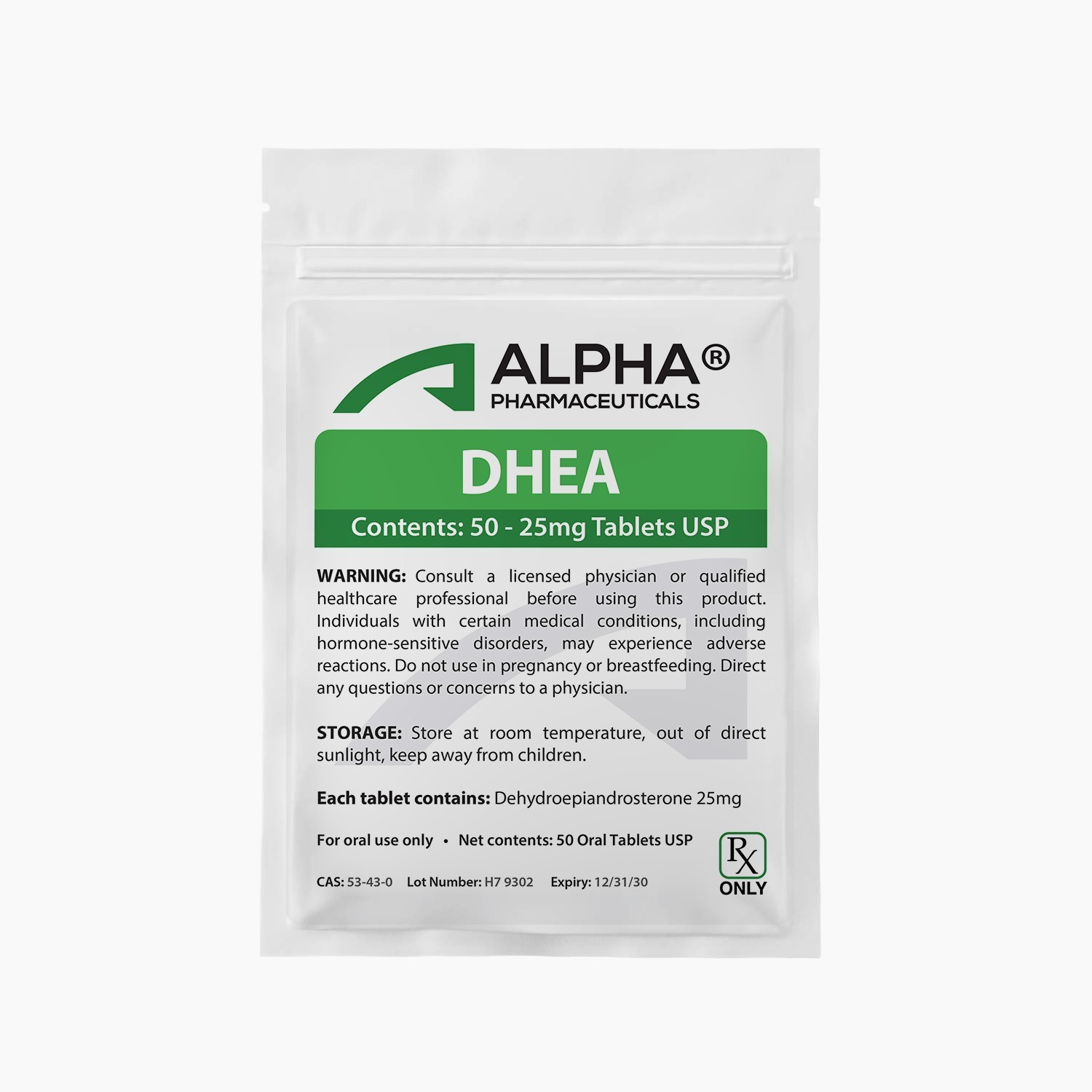
DHEA Is a Hormone - Not Just Another Supplement
DHEA stands for dehydroepiandrosterone. It is a naturally occurring steroid hormone produced primarily by the adrenal glands.
Your body can use DHEA as a precursor when producing other steroid hormones, including testosterone and estrogen.
That is exactly why DHEA deserves more respect than a standard vitamin or gym supplement.
Hormone-active compounds can influence multiple biological pathways, and individual response depends on age, sex, existing hormone levels, health history and other factors.
The quick answer: DHEA is naturally produced by the body and generally declines with age. It can act as a precursor to testosterone and estrogen, but taking DHEA does not automatically translate into higher testosterone, more muscle or better gym performance.
What Exactly Is DHEA?
DHEA is one of the body's naturally occurring steroid hormones.
Most circulating DHEA originates from the adrenal glands, which sit above the kidneys and produce several hormones involved in normal physiological function.
DHEA production generally rises during adolescence, reaches its highest levels during early adulthood and then gradually declines as people age.
That decline is one reason DHEA is frequently discussed in conversations about hormone health and aging.
But lower DHEA with age does not automatically mean every older adult needs more of it.
Hormone levels need context.
Why Does the Fitness Community Talk About DHEA?
Experienced fitness customers increasingly look beyond calories and training volume and pay attention to actual hormone markers and bloodwork.
Natural DHEA production generally decreases with age, which makes it a common topic in hormone-health discussions.
DHEA can participate in pathways that ultimately produce androgenic and estrogenic hormones.
Does DHEA Increase Testosterone?
DHEA can serve as a precursor to testosterone, but that does not mean taking additional DHEA automatically produces a meaningful testosterone increase.
This is where a lot of marketing becomes misleading.
The pathway exists, but human hormone metabolism is not a simple one-step conversion where more DHEA always equals more testosterone.
Research reviewed by the NIH Office of Dietary Supplements has not consistently demonstrated meaningful improvements in testosterone, muscle mass, strength or athletic performance from DHEA supplementation in healthy men.
DHEA should not be treated like a guaranteed testosterone booster. If testosterone is the concern, actual hormone testing provides far more useful information than guessing.
Does DHEA Build Muscle?
Research has not established DHEA as a dependable muscle-building or strength-enhancing compound in otherwise healthy adults.
For the fitness community, this distinction matters.
A hormone precursor may sound anabolic on paper, but that does not mean it performs like testosterone or another anabolic compound in the real world.
Muscle growth still comes back to the fundamentals:
- Progressive resistance training
- Adequate calories and protein
- Recovery and sleep
- Consistency over time
- Appropriate medical evaluation when hormone problems are suspected
Who Typically Researches DHEA?
DHEA tends to attract interest from adults trying to better understand their hormone profile rather than people looking for another standard sports supplement.
Common reasons people research DHEA include:
- Understanding age-related changes in DHEA levels
- Learning how adrenal hormones interact with other hormones
- Investigating low DHEA-S laboratory results
- Researching the relationship between DHEA, testosterone and estrogen
- Discussing broader hormone-health concerns with a healthcare professional
DHEA for Men vs Women
DHEA does not necessarily affect men and women the same way.
Because the body can convert DHEA into both androgenic and estrogenic hormones, its downstream effects depend partly on the individual.
In women, increased androgen activity can potentially contribute to acne, oily skin or unwanted facial and body hair.
In men, DHEA should not be assumed to substantially increase testosterone simply because it sits upstream in the hormone pathway.
This is one reason hormone-active compounds should not be approached with a one-size-fits-all mindset.
What Is DHEA-S - and Why Does Bloodwork Matter?
When DHEA levels are evaluated clinically, healthcare professionals often look at DHEA-S, or dehydroepiandrosterone sulfate.
DHEA-S is a more stable circulating form and can provide information about adrenal androgen production.
The MedlinePlus DHEA-S reference explains how this blood marker is used when healthcare professionals are evaluating adrenal and hormone-related concerns.
One number still does not tell the whole story.
Age, sex, symptoms, testosterone, estradiol and other laboratory markers can all affect interpretation.
If hormone health is the goal, understanding actual laboratory values is more useful than assuming a supplement or hormone precursor is needed.
DHEA Canada: What Canadians Need to Know
This part should not be buried at the bottom of the page.
In Canada, DHEA is regulated differently than ordinary vitamins and nutritional supplements.
Health Canada has identified DHEA - dehydroepiandrosterone - as a controlled substance and has issued public warnings regarding unauthorized DHEA health products sold to consumers.
Health Canada explains that unauthorized health products have not been assessed by the regulator for safety, effectiveness and quality.
You can read the current public advisory directly from Health Canada .
Transparency matters: DHEA should not be presented to Canadians as though it were an ordinary over-the-counter nutritional supplement. Its regulatory status and potential hormone-related risks matter.
What Are the Potential Side Effects of DHEA?
DHEA is biologically active, which means more is not automatically better.
Potential effects can include changes in hormone levels, acne, oily skin and changes in hair growth.
Health Canada has also identified more serious potential concerns associated with DHEA, particularly in people with certain hormone-sensitive or cardiovascular conditions.
DHEA may also interact with medications.
Anyone with existing medical conditions, anyone taking prescription medications, and anyone pregnant or breastfeeding should discuss DHEA with a qualified healthcare professional.
Competitive Athlete? Check the Rules First.
This one matters for the AlphaPharmCanada fitness audience.
Competitive athletes should never assume that a substance is permitted simply because it is marketed as a supplement.
DHEA and related anabolic agents are addressed under anti-doping rules.
Athletes competing under WADA-regulated organizations should review the current World Anti-Doping Agency Prohibited List before using any hormone-active compound.
DHEA Questions People Ask Most
What does DHEA do in the body?
DHEA is a naturally occurring steroid hormone produced primarily by the adrenal glands. The body can use it as a precursor when producing other hormones, including testosterone and estrogen.
Does DHEA increase testosterone?
Not necessarily. DHEA participates in pathways that can lead to testosterone production, but supplementation does not guarantee a meaningful testosterone increase. Research has not consistently shown significant testosterone increases in healthy men.
Does DHEA help build muscle?
Current evidence does not establish DHEA as a reliable way to increase muscle mass, strength or athletic performance in otherwise healthy adults.
Does DHEA decline with age?
Yes. Natural DHEA production generally peaks during early adulthood and gradually decreases as people get older.
What is DHEA-S?
DHEA-S stands for dehydroepiandrosterone sulfate. It is a circulating form of DHEA commonly measured in blood when healthcare professionals evaluate adrenal androgen production.
Is DHEA the same as testosterone?
No. DHEA and testosterone are different steroid hormones. DHEA can participate in pathways involved in testosterone production, but it is not testosterone.
Is DHEA legal in Canada?
DHEA is regulated as a controlled substance in Canada. Health Canada has taken action against unauthorized DHEA products sold directly to consumers and advises Canadians not to use unauthorized health products.
Can competitive athletes use DHEA?
Athletes should check their governing body's current anti-doping rules. DHEA and related anabolic agents may be prohibited in regulated competition.
Should DHEA decisions be based on bloodwork?
Laboratory testing can provide considerably more useful information than guessing about hormone levels. A healthcare professional can interpret DHEA-S alongside other hormone markers, symptoms and medical history.
Know Your Hormones. Know the Facts.
DHEA deserves a place in the hormone conversation, but it does not need exaggerated claims to make it interesting.
It is a naturally occurring steroid hormone. It declines with age. It can participate in testosterone and estrogen production. But it is not a guaranteed testosterone booster, muscle builder or shortcut to better performance.
For serious fitness customers, the smarter approach is simple: understand the compound, know your numbers and make decisions based on evidence rather than hype.
Train hard. Know your numbers. Research harder.
AlphaPharmCanada.isEvidence Behind This DHEA Guide
Hormone-related content should be based on evidence rather than marketing claims. This article was prepared using established medical, regulatory and anti-doping references.
- Health Canada - DHEA safety and regulatory information
- Health Canada - Sale of controlled substances
- NIH Office of Dietary Supplements - Exercise and athletic performance
- MedlinePlus - DHEA-S blood testing and hormone information
- World Anti-Doping Agency - Prohibited List
Last reviewed: October 30, 2026. This article is provided for general educational information only and is not medical advice. Regulatory requirements and anti-doping rules can change, so current official sources should always be checked.