
The science series / Peptide education
Peptides in Canada: What They Are, How They Work and What You Should Know
Understand the science, the research, the quality tests and the questions that matter.
Peptides have become one of the most talked-about topics in health, fitness, biotechnology and medical research. From metabolic health to skin biology and hormone regulation, interest in peptides across Canada continues to evolve.
But separating scientific evidence from marketing claims is not always easy. What are peptides, how do they interact with the body, and what should Canadians know about quality, research and safety?
At AlphaPharmCanada.is, we believe understanding the science starts with asking the right questions.
What Are Peptides?
Peptides are short chains of amino acids connected by peptide bonds. Amino acids are also the building blocks of proteins. Many peptides occur naturally in the human body and participate in cell communication, metabolism, immune activity and hormone regulation.
Think of certain peptides as biological messengers. They transmit signals that influence how cells and tissues respond. Each peptide has its own structure, biological activity and potential risks.
Peptides vs. proteins
| Characteristic | Peptides | Proteins |
|---|---|---|
| Structure | Generally shorter amino acid chains | Generally longer, more complex chains |
| Roles | Signalling, regulation and other functions | Structural, enzymatic and regulatory functions |
| Examples | Oxytocin, glucagon | Collagen, haemoglobin |
The distinction is not always absolute: some molecules sit near the boundary between peptides and proteins.
How Do Peptides Work in the Human Body?
Many biologically active peptides interact with specific receptors located on or within cells. When a peptide binds to a compatible receptor, it can initiate a biological response. The resulting activity depends on the peptide, receptor and tissue involved.
Insulin helps regulate blood glucose, while glucagon-like peptide-1 (GLP-1) participates in glucose regulation and appetite signalling. Other peptides are investigated for their interactions with hormonal pathways, inflammatory processes and cellular repair.
Understanding the Different Types of Peptides
Peptides are not a single class of treatments with interchangeable effects. Research covers many distinct biological pathways.
01 / Hormonal pathways
Growth hormone-related peptides
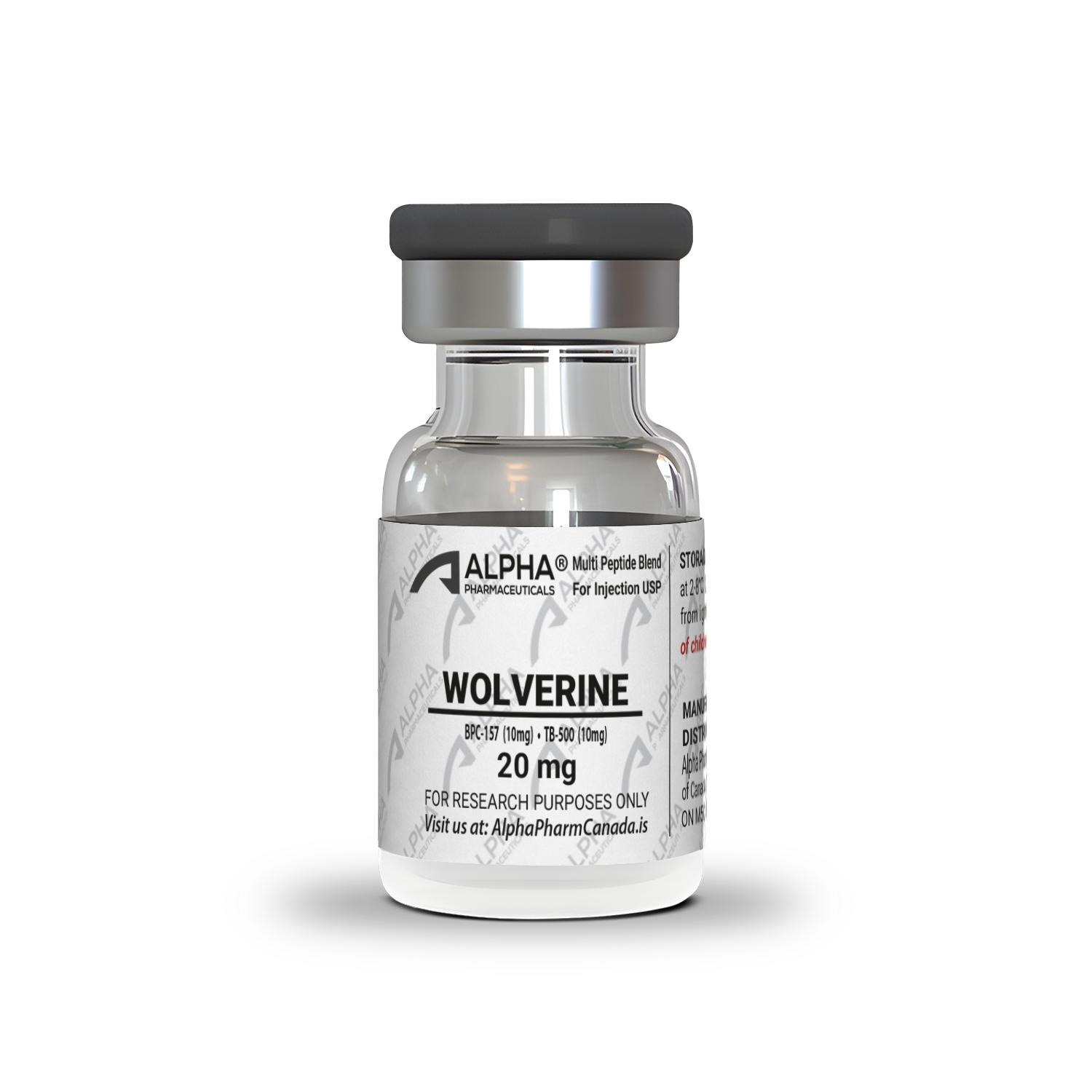
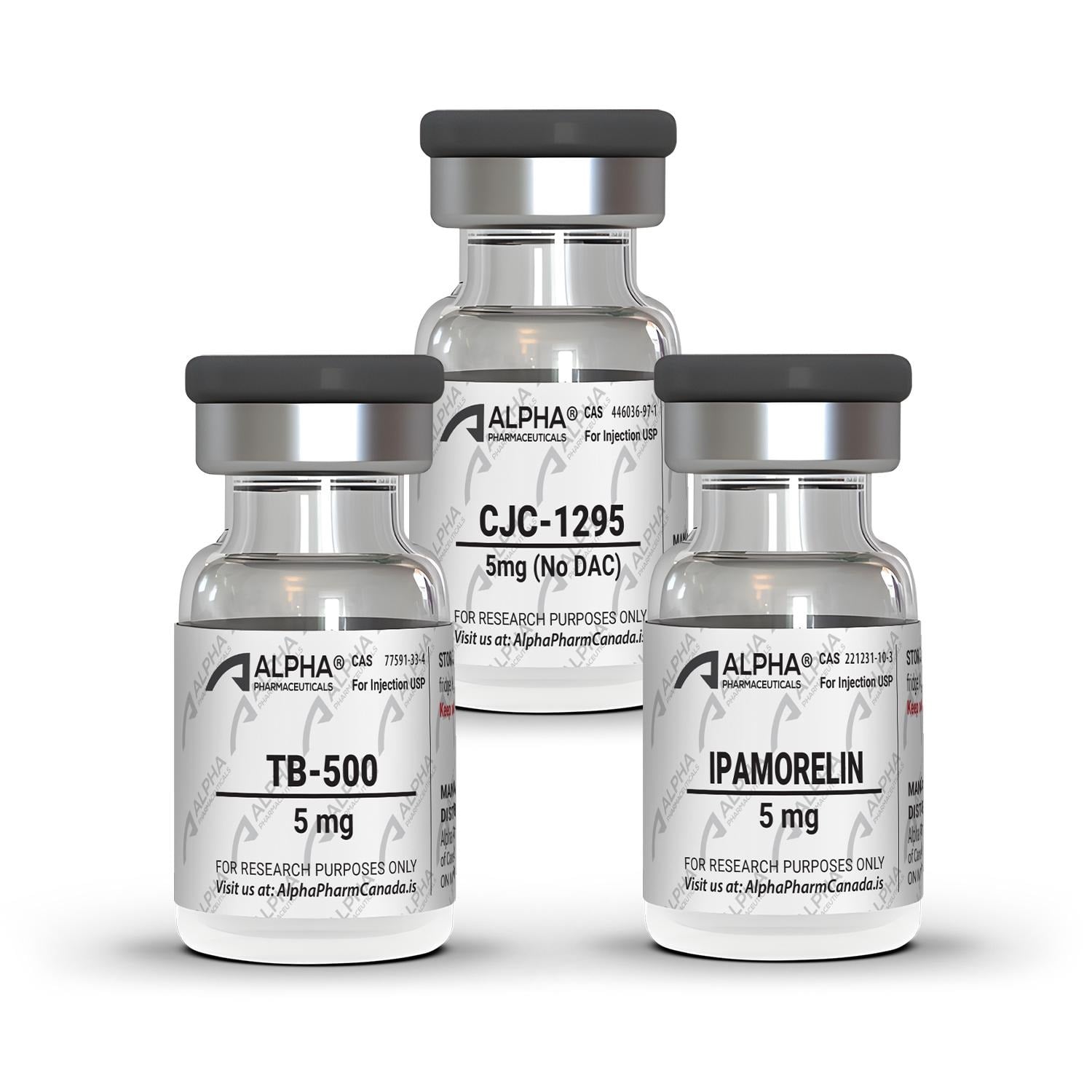
Sermorelin, tesamorelin, CJC-1295 and ipamorelin interact with pathways involved in growth hormone secretion. Their mechanisms, evidence and regulatory status differ.
02 / Tissue biology
Tissue repair research
BPC-157 and thymosin beta-4-related compounds, including products marketed as TB-500, are studied in connection with tissue responses. Much evidence comes from laboratory or animal research, which does not establish safe or effective human use.
03 / Metabolic science
Metabolic peptides
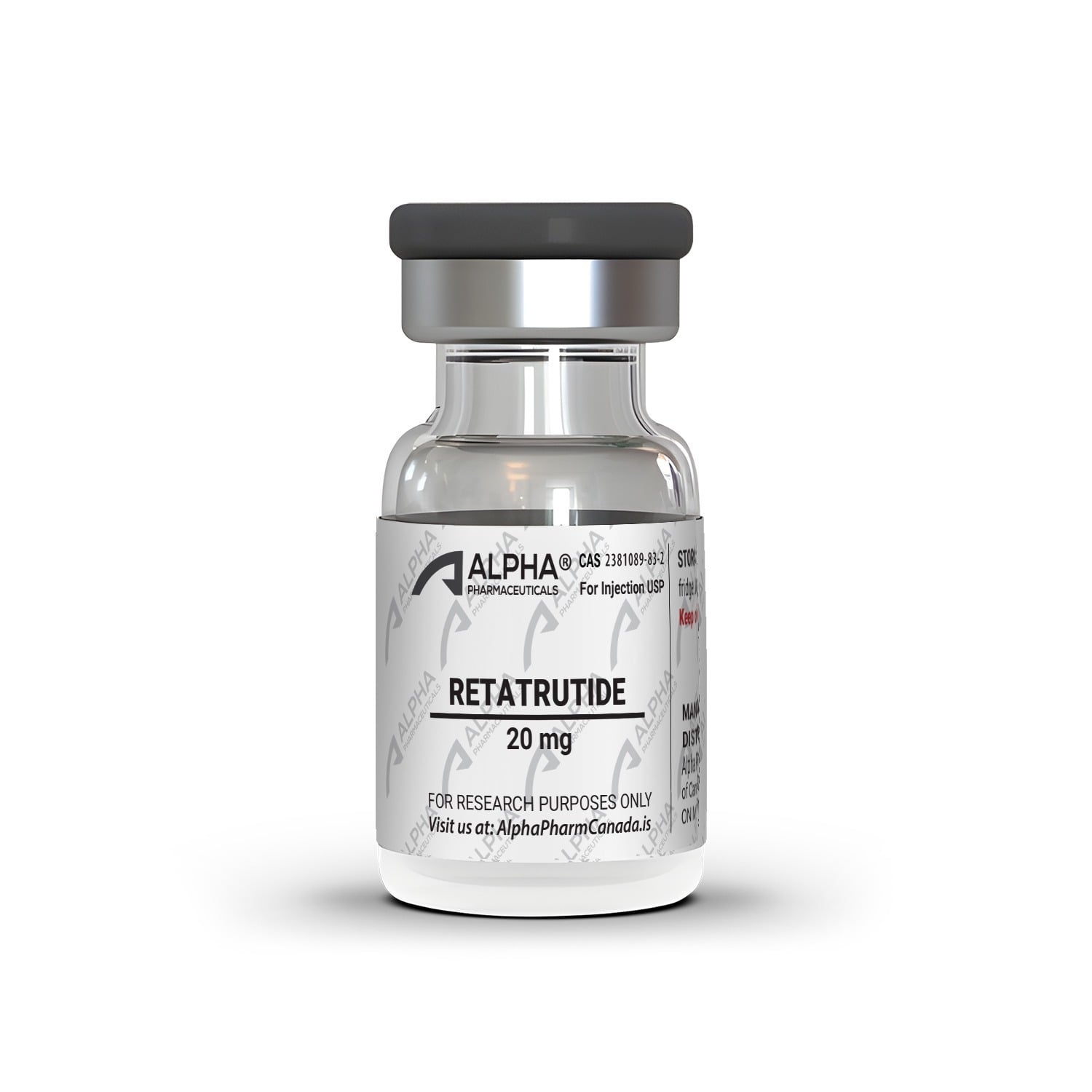
Semaglutide targets GLP-1 receptors; tirzepatide targets GIP and GLP-1 receptors; retatrutide has been developed to target GIP, GLP-1 and glucagon receptors. Their evidence, safety profiles and authorization status must be assessed individually.
04 / Skin biology
Copper peptides
GHK-Cu is a copper-binding peptide studied in skin biology and cellular signalling. Evidence involving topical cosmetic formulations cannot automatically be applied to injectable products.
05 / Neurological research
Neurological peptides
Semax and Selank have been investigated in neurological and behavioural research. Evidence varies in quality; they should not be presented as established treatments for anxiety, memory problems or neurological conditions.
Peptide research at a glance
| Compound | Area of scientific interest |
|---|---|
| BPC-157 | Tissue response and repair research |
| Thymosin beta-4-related compounds | Cellular migration and tissue biology |
| Ipamorelin, CJC-1295, sermorelin | Growth hormone signalling and regulation |
| Tesamorelin | Growth hormone regulation and metabolic research |
| GHK-Cu | Skin biology and cellular signalling |
| Semaglutide, tirzepatide | Metabolic regulation |
| Retatrutide | Multi-receptor metabolic research |
| Semax, Selank | Neurological and behavioural research |
These are research areas, not guaranteed benefits or recommendations for human use.
Peptides vs. SARMs vs. Steroids
Although frequently mentioned together in fitness communities, these are distinct classes of compounds.
| Feature | Peptides | SARMs | Anabolic steroids |
|---|---|---|---|
| Structure | Amino acid chains | Typically non-steroidal small molecules | Steroid-based compounds |
| Mechanism | Varies by biological target | Androgen receptor modulation | Androgen receptor activity |
| Hormonal effects | Compound-dependent | May disrupt natural hormone production | May suppress natural hormone production |
| Safety | Varies considerably | Significant potential risks | Significant potential risks |
Peptides are not automatically safer because they are made from amino acids. Safety depends on the specific molecule, formulation, evidence and circumstances of exposure.
What Are Peptide Blends?
A peptide blend contains two or more peptide compounds in a single formulation. Research on individual compounds does not necessarily establish the safety or effectiveness of the combined formulation.
Formulation
Chemical compatibility, ingredient quantities and stability all matter.
Evidence
Combined biological effects, interactions and safety require evidence for the complete formulation.
A blend containing several familiar peptide names is not automatically more effective than an individual compound.
Why Are Some Peptides Sold as White Powder?
Many pharmaceutical and research peptides are manufactured in a freeze-dried form through a process called lyophilization. Water is removed from a frozen formulation under controlled pressure, which can help preserve the stability of certain compounds.
Depending on the formulation, the material may appear as a thin white layer, a small solid cake or loose powder. Appearance alone cannot confirm identity, concentration, purity or sterility.
Why Peptide Quality and Laboratory Testing Matter
A product label identifies what a manufacturer claims is inside a container. Appropriate analytical testing is necessary to establish whether those claims are supported.
What is a Certificate of Analysis (COA)?
A COA documents results of specific analytical tests on a material or batch. Depending on the scope, it may report chemical identity, chromatographic purity, molecular mass, assayed peptide content, batch identification, testing methods, analysis dates and laboratory information.
HPLC
High-performance liquid chromatography separates sample components. A chromatographic purity result does not independently establish the total active content in a vial.
Mass spectrometry
Provides molecular mass information that can support identity assessment. Molecular mass alone cannot establish sterility.
Content testing
Evaluates the amount of active material using an appropriate validated method.
Microbiological testing
Sterility and bacterial endotoxins are separate quality considerations for injectable pharmaceutical products.
Are Peptides Legal in Canada?
The legal status of peptides depends on the specific substance, formulation, intended use and applicable regulatory requirements. Some peptide-based medications are authorized by Health Canada for specific indications; others remain investigational or unauthorized for human use.
Injectable peptide drugs are subject to Canadian prescription drug regulation and require appropriate authorization before lawful sale. A research-use label does not automatically exempt a product from health product regulations.
Authorization applies to specific products and formulations, not every product containing a particular active ingredient.
Consult the Health Canada Drug Product Database to verify the authorization status of a particular medication.
Are Peptides Safe?
There is no single answer for every peptide. Some peptide-based medications have extensive clinical research supporting specific uses. Other compounds have limited human evidence, leaving important questions about short- and long-term effects unanswered.
- Allergic reactions or unexpected immune responses
- Hormonal disturbances and changes in blood glucose
- Interactions with medications
- Infection from contaminated products
- Unknown long-term health effects
Laboratory purity claims should never be treated as a substitute for regulatory authorization, pharmaceutical manufacturing standards or medical supervision.
How to evaluate peptide information online
Human evidence
Was the research conducted in humans, or only in animals or laboratory models?
Independent review
Was the study peer-reviewed, and was its design appropriate for the claim?
Accuracy
Does the claim match the actual study outcome, rather than extrapolate from a biological mechanism?
Limitations
Does the source discuss uncertainty, adverse effects and the product's authorization status?
Beyond the Hype: Your Peptide Questions Answered
What are peptides in simple terms?
Peptides are short chains of amino acids. Many participate in biological processes by interacting with receptors and other molecular targets.
Are peptides the same as steroids?
No. Peptides are amino acid chains, while anabolic steroids have a different chemical structure and primarily influence androgen-related pathways.
Are all peptides injectable?
No. Peptides exist in topical, oral and injectable formulations. The appropriate formulation depends on the compound and intended purpose.
Are peptides naturally present in the body?
Yes. The body produces many peptides involved in metabolism, hormonal regulation and cellular communication.
Can peptides affect hormone levels?
Certain peptides interact with hormone-related pathways; others have entirely different functions. Effects depend on the compound.
Are peptide blends better than individual peptides?
Not necessarily. The combined formulation requires its own evidence for stability, interactions and safety.
Does a COA guarantee peptide quality?
No. A COA documents specific tests and does not automatically establish overall pharmaceutical quality, sterility or clinical safety.
Are research peptides approved by Health Canada?
Not automatically. Authorization depends on the specific product and intended use. Research-use labelling does not constitute authorization for human use.
Where can Canadians find reliable peptide research?
PubMed, ClinicalTrials.gov, Health Canada and peer-reviewed scientific journals provide useful starting points.
The bottom line
Knowledge Comes First.
Peptides represent a diverse and evolving area of science. Understanding the difference between preliminary research, established medical treatments and unsupported claims matters.
At AlphaPharmCanada.is, we believe science moves forward through evidence, transparency and continued investigation — not through promises.
Know the science. Understand the evidence. Stay informed.
Scientific and Regulatory Resources
- Health Canada — official health and regulatory information
- Health Canada — Drug Product Database
- PubMed — biomedical research database
- ClinicalTrials.gov — clinical research database
- MedlinePlus — Amino acids
This article is provided for educational and informational purposes. It does not constitute medical advice or recommend the use of unauthorized health products. Consult a qualified healthcare professional regarding medical conditions and treatment options.